How to Arrange Furniture in a Small Living Room
- Emily

- Mar 16
- 5 min read
Introduction
Trying to arrange furniture in a small living room can feel surprisingly frustrating. You may have a sofa, a couple of chairs, and a coffee table, but once everything is placed in the room, something still feels off.
The room may feel crowded. The layout might block walkways. Or the furniture may simply look awkward even though each piece seemed like a good choice individually.
This is one of the most common design challenges homeowners face. Small living rooms require careful planning so that the space feels comfortable, balanced, and easy to move through.
The good news is that a small room can work beautifully with the right layout. Below are four practical living room layout ideas that can help a small space feel organized and welcoming.
Why This Layout Feels Difficult
Small living rooms are challenging because there are several competing priorities happening in a limited amount of space.
First, the room still needs to function like a normal living room. You need comfortable seating, a place for conversation, and often space for a television.
Second, small rooms typically have multiple pathways. Doorways, hallways, or openings to other rooms often cut through the space, which can make furniture placement tricky.
Finally, scale becomes much more noticeable in a small room. A sofa that is just slightly too deep or a coffee table that is slightly oversized can make the room feel cramped.
Because of these factors, simply pushing furniture against walls or filling the room with multiple small pieces rarely works well. Instead, the goal is to create a layout that prioritizes flow, proportion, and a clear focal point.
Layout Idea #1
The Floating Sofa Layout
One of the most effective ways to arrange furniture in a small living room is to float the sofa slightly away from the wall.
Many people assume furniture must sit directly against walls in small spaces, but this often makes the room feel more crowded. Pulling the sofa forward even a few inches can create a more balanced layout.
In this arrangement:
• The sofa faces the room’s focal point such as a fireplace or television
• A slim console table can sit behind the sofa if extra surface space is needed
• A pair of smaller accent chairs can sit opposite the sofa or angled nearby
This layout helps define the seating area while maintaining clear walkways around the furniture.
Layout Idea #2
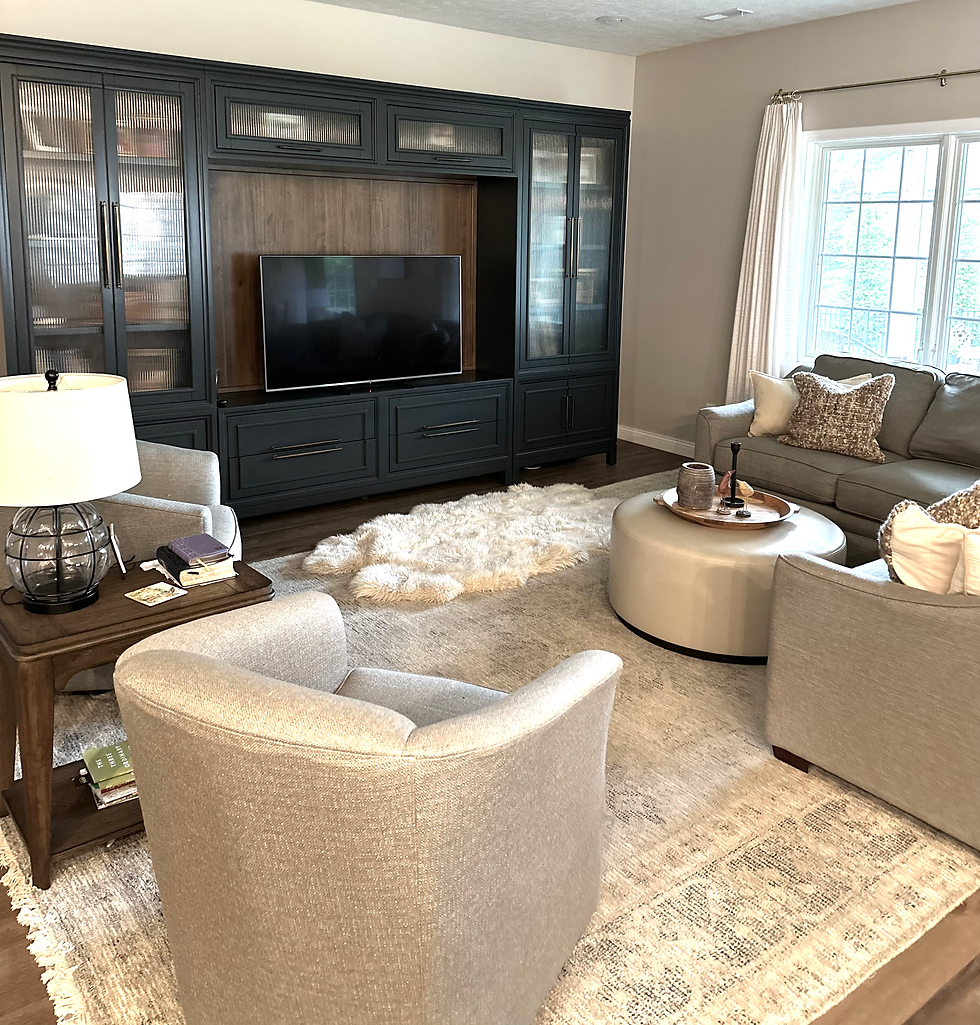
The Sofa + Two Chairs Layout
If your small living room needs to accommodate conversation, a sofa paired with two chairs is often the most balanced arrangement.
Instead of placing everything in a straight line, try forming a loose “U” shape.
For example:
• Sofa on one wall
• Two chairs across from the sofa
• Coffee table centered between them
This layout works well because it creates a natural conversation area without overcrowding the room.
If the chairs feel too bulky, consider using slimmer armchairs or even a small upholstered bench.
Layout Idea #3
The L-Shaped Seating Layout
For rooms that feel particularly tight, an L-shaped seating arrangement can be very efficient.
This layout usually involves:
• A sofa as the main anchor
• One chair placed perpendicular to the sofa
• A small coffee table or ottoman
The L-shape naturally opens up one side of the room, which allows for easier traffic flow.
This can be especially helpful if the living room connects to another space such as a dining area or hallway.
Layout Idea #4
The Sofa and Loveseat Layout
If your small living room needs seating for several people, two smaller sofas or a sofa paired with a loveseat can sometimes work better than a single large sectional.
This arrangement keeps the room feeling balanced while still providing comfortable seating.
For example:
• A standard sofa on one side of the room
• A loveseat placed across from it
• A coffee table centered between them
Because both pieces are slightly smaller, the room often feels more open than when a large sectional dominates the space.
This layout works especially well in long or narrow living rooms, since the two pieces naturally define the seating area without blocking walkways at either end.
To keep the space from feeling heavy:
• Choose sofas with visible legs to lighten the visual weight
• Use a round or oval coffee table to soften the layout
• Leave clear space behind at least one piece to maintain comfortable traffic flow
When done well, this layout creates a small living room that feels balanced,
conversational, and welcoming rather than crowded.
A Helpful Option if You Feel Stuck
Many homeowners struggle with small living room layouts because it is difficult to visualize furniture scale and spacing before buying pieces.
This is exactly the type of challenge I help clients solve through my Room Furnishing Plan.
The plan focuses on helping homeowners confidently plan their room by determining:
• the best furniture layout
• the correct furniture sizes for the space
• pieces that work together visually
Instead of guessing, you end up with a clear furnishing plan that shows how the room should come together.
Quick Layout Tips
No matter which layout you choose, a few simple furniture spacing rules can make a small living room feel much more comfortable.
Leave 16–18 inches between the sofa and coffee table. This allows people to move easily while still reaching the table comfortably.
Maintain clear walking paths. Try to leave about 30–36 inches for main walkways whenever possible.
Keep furniture proportional to the room. In smaller rooms, slimmer furniture often works better than oversized pieces.
Use fewer, better-sized pieces. Too many small furniture items can make a room feel cluttered. A few well-chosen pieces usually look more intentional.
Anchor the space with a rug. A properly sized rug helps define the seating area and makes the layout feel cohesive.
Common Mistake to Avoid
One of the most common mistakes in small living rooms is choosing furniture that is too large for the space.
Oversized sofas, bulky recliners, or extra-deep sectionals can quickly overwhelm a small room.
Even if the furniture technically fits, it may leave little room for walkways or additional seating.
Before purchasing furniture, it is always helpful to measure the room and sketch a basic layout. This step alone can prevent many expensive mistakes.
Final Takeaway
Arranging furniture in a small living room often requires a little more planning, but the right layout can completely change how the room feels.
Instead of focusing on filling every corner, focus on creating a clear seating area, maintaining comfortable walkways, and choosing furniture that fits the scale of the room.
With a thoughtful layout, even a small living room can feel balanced, comfortable, and inviting.
If you want help planning the layout and selecting furniture that truly fits your space, you can learn more about the Room Furnishing Plan, which helps homeowners create a clear, cohesive plan before purchasing furniture.


Comments